Padel Balls vs Tennis Balls: Key Differences Explained by PFS Padel

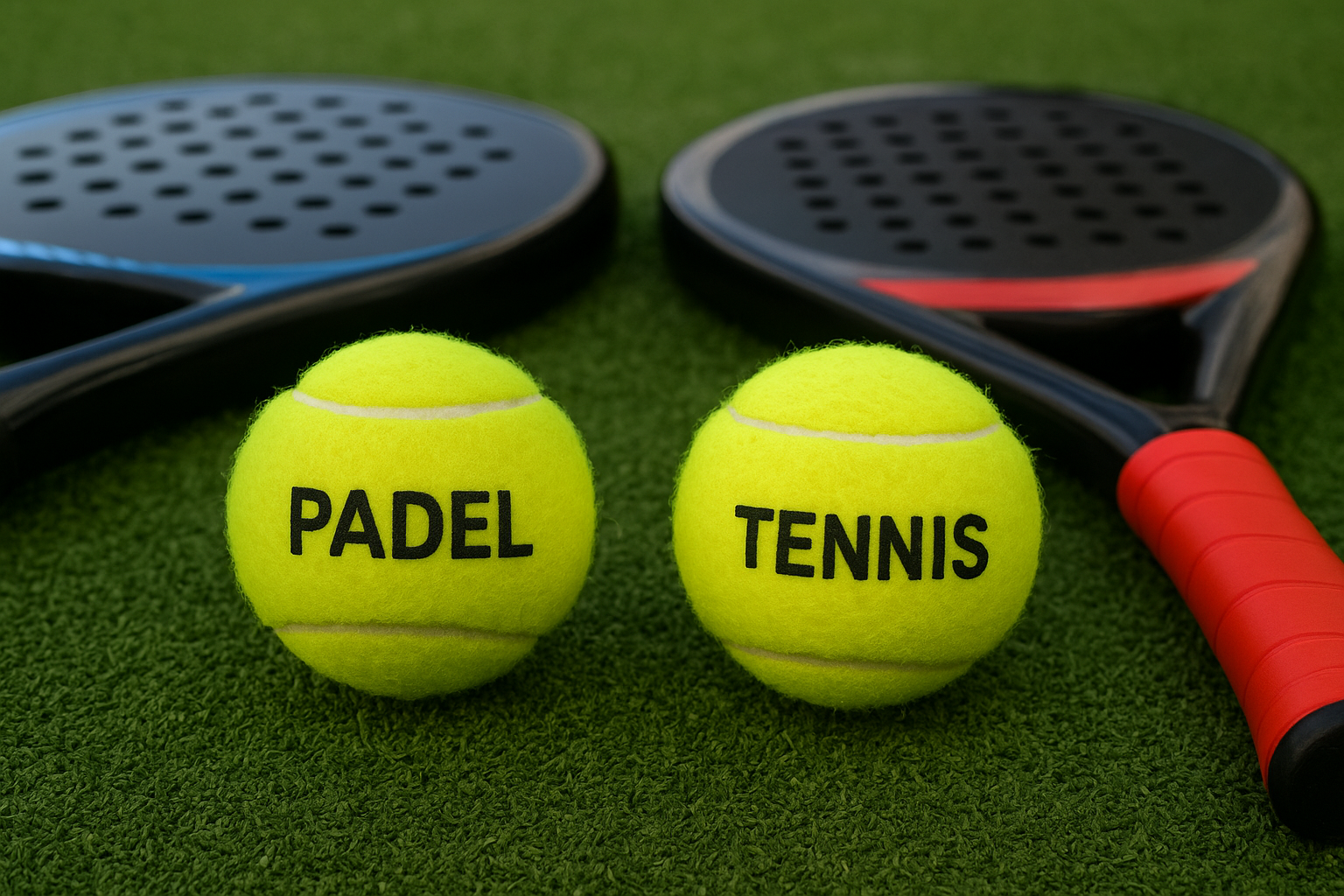
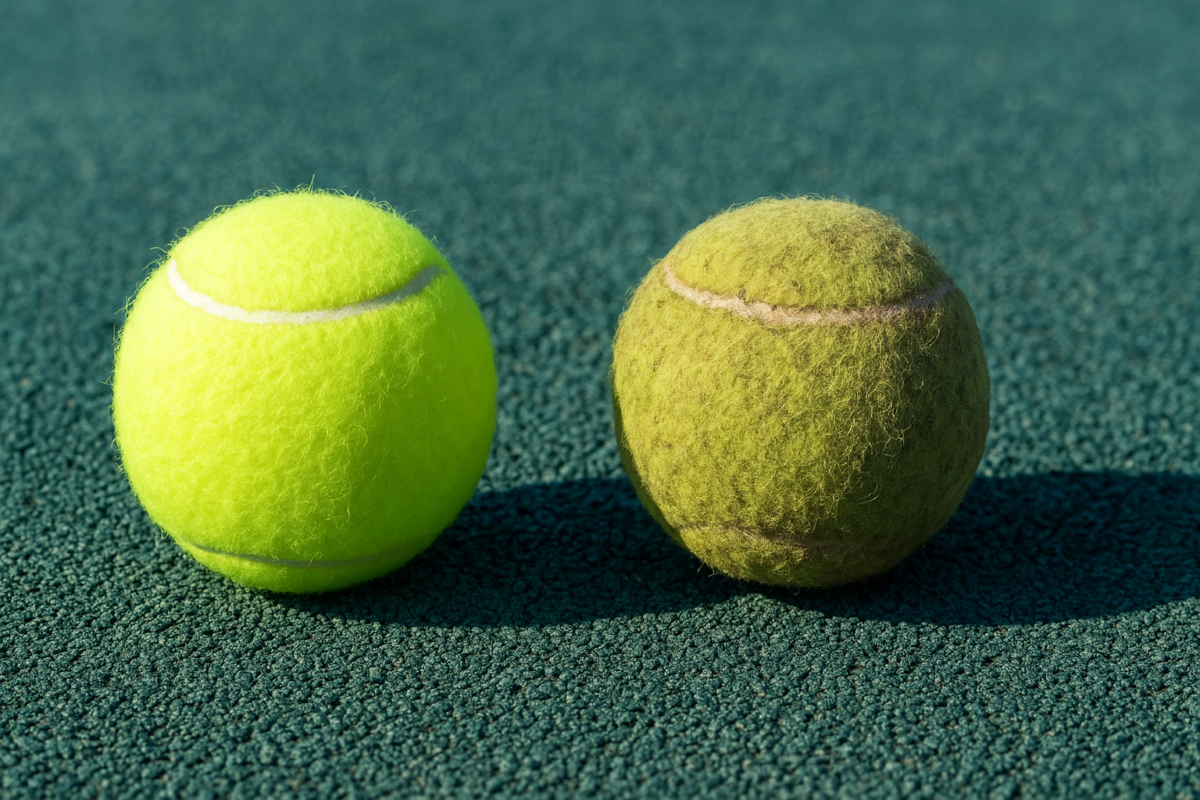
If you’ve ever watched both padel and tennis, you might have noticed that their balls look almost identical. Many beginners even assume they’re the same.
However, when it comes to performance, feel, and playability, padel balls and tennis balls are worlds apart. Understanding these differences is essential for every player and club owner.
In this detailed guide, PFS Padel breaks down the key differences between padel balls and tennis balls — from construction and pressure to bounce and usage — and why the right choice can completely transform your game.
Understanding Padel Balls vs Tennis Balls
While both sports share similar origins, the ball mechanics differ significantly. The padel ball is specifically engineered for smaller courts, glass walls, and a strategic play style, while tennis balls are designed for larger, open-court dynamics.
At PFS Padel, we ensure players and clubs use official, high-quality padel balls that meet international standards, giving every match the perfect balance of bounce and control.
Construction Differences
Size and Weight
-
Padel balls are slightly smaller (6.35–6.77 cm in diameter) than tennis balls.
-
Tennis balls range from 6.54–6.86 cm, making them a bit larger.
-
Padel balls also weigh a little less — between 56 and 59.5 grams — to complement the slower, controlled rallies of padel.
This subtle difference improves maneuverability and helps maintain precise control during play.
Pressure and Bounce
-
Padel balls have less internal pressure (around 10–11 psi).
-
Tennis balls typically hold 14 psi, resulting in a higher bounce.
Because padel is played in an enclosed court, lower pressure ensures the ball doesn’t bounce excessively against walls. This leads to longer, more strategic rallies — a defining feature of the sport.
Felt Texture and Durability
Padel balls use a denser felt covering for enhanced grip on artificial turf. Tennis balls, on the other hand, are optimized for various surfaces like clay or hard courts.
This makes padel balls more resistant to friction, extending their lifespan even with consistent wall rebounds and turf contact.
Performance on Court
Bounce and Speed
-
Tennis balls bounce higher and travel faster due to their internal pressure and court size.
-
Padel balls deliver a more controlled, predictable bounce — ideal for technical shots and rallies.
At PFS Padel, we often advise clubs to replace padel balls after every 3–4 games to maintain bounce consistency, especially in humid or high-altitude environments.
Control and Feel
Padel players rely on tactical placement and reflexes, not brute power. The slightly softer padel ball gives a better “feel” off the racket, allowing players to execute spin, lob, and drop shots with greater precision.
Tennis balls, with their faster speed, require quicker reactions but offer less touch sensitivity — making them unsuitable for padel play.
Game Dynamics and Player Experience
Adapted to Enclosed Courts
Since padel is played in glass-enclosed spaces, the ball must behave predictably even after wall rebounds. The softer, slower padel ball ensures fair rebounds and smoother gameplay — something tennis balls simply can’t provide.
Player Safety
Using tennis balls on a padel court increases the risk of injury. Their higher speed and bounce can cause mishits, strain, or unexpected rebounds off the wall.
PFS Padel always recommends official padel balls for both safety and performance.
Official Standards & Regulations
Both International Padel Federation (FIP) and World Padel governing bodies have strict guidelines:
-
Ball Diameter: 6.35–6.77 cm
-
Weight: 56–59.5 g
-
Bounce Height: Between 135–145 cm when dropped from 2.54 m
PFS Padel supplies balls that meet these standards — ensuring professional-grade performance for every player, from beginners to global tournaments.
Lifespan and Maintenance
Padel balls, due to lower pressure, tend to lose bounce faster than tennis balls. Most professional players replace them every 2–3 matches for optimal consistency.
To extend lifespan:
-
Store them in a pressurized ball saver.
-
Keep them away from moisture.
-
Avoid overexposure to sunlight.
PFS Padel also offers premium-grade padel accessories, including ball savers and airtight containers, to keep your equipment fresh for longer.
The Impact of the Right Ball on Gameplay
Using the correct ball dramatically affects:
-
Shot accuracy
-
Rally duration
-
Player comfort
-
Energy efficiency
At PFS Padel, we’ve seen countless clubs enhance player satisfaction by simply switching to authentic padel balls — specifically designed for the sport’s rhythm and dynamics.
Why PFS Padel Recommends Professional-Grade Balls
PFS Padel is more than a court builder — it’s a global padel ecosystem partner. From high-quality courts to international-standard equipment, every product we offer supports professional-level performance and longevity.
Our premium balls are:
-
Designed for consistent bounce and durability.
-
Approved for training and tournament play.
-
Tested for optimal air pressure retention.
Whether you’re setting up a new padel club or upgrading your existing courts, PFS Padel provides everything you need to elevate the experience.
PFS Padel – Supporting Global Growth of the Sport
From Europe and the Middle East to Asia and beyond, PFS Padel continues to drive the global padel revolution. By providing FIP-standard courts, equipment, and expertise, we’re empowering clubs, schools, and entrepreneurs to join one of the world’s fastest-growing sports.
Choosing the right ball might seem minor, but it’s the foundation of every great padel experience — and at PFS Padel, we make sure you get it right.
Conclusion
The difference between padel balls and tennis balls goes far beyond appearance. From pressure and bounce to game feel and safety, each detail impacts how the sport is played.
By choosing PFS Padel-approved padel balls, players and clubs ensure every match delivers the ideal mix of control, precision, and performance.
Ready to take your game to the next level?
Visit padel.pfs.sport and explore our world-class courts and professional padel equipment today!