
How to Choose Between Tennis and Padel for Kids


Every parent wants their child to grow strong, confident, and active — and sports play a huge role in that journey. Tennis has long been a favorite for children, teaching focus, discipline, and coordination.
But now, there’s a new game gaining traction among young athletes — Padel. Easier to learn, more social, and packed with fun, padel offers kids a dynamic way to stay active while developing essential life skills.
In this blog, we’ll compare tennis vs padel for kids, explore their benefits, and help you decide which sport suits your child best. Plus, we’ll share how PFS Padel is bringing world-class padel experiences to India.
Why Choosing the Right Sport Matters for Kids
For children, sports are more than physical activity — they shape character, teamwork, and mental resilience. Choosing between tennis and padel isn’t just about preference; it’s about matching your child’s personality and developmental needs.
Both sports offer cardiovascular benefits, improve motor skills, and build confidence. However, the structure, pace, and learning curve differ — which can impact how motivated your child remains in the long run.
Understanding the Basics — Tennis vs Padel
Tennis: The Classic Discipline
Tennis is one of the most established racket sports globally. It requires a large court, strong technique, and consistent practice to master serves, volleys, and baseline rallies.
While tennis improves stamina and precision, it can sometimes feel intimidating for younger children due to its complexity and size.
Padel: The Modern, Fast-Growing Sport
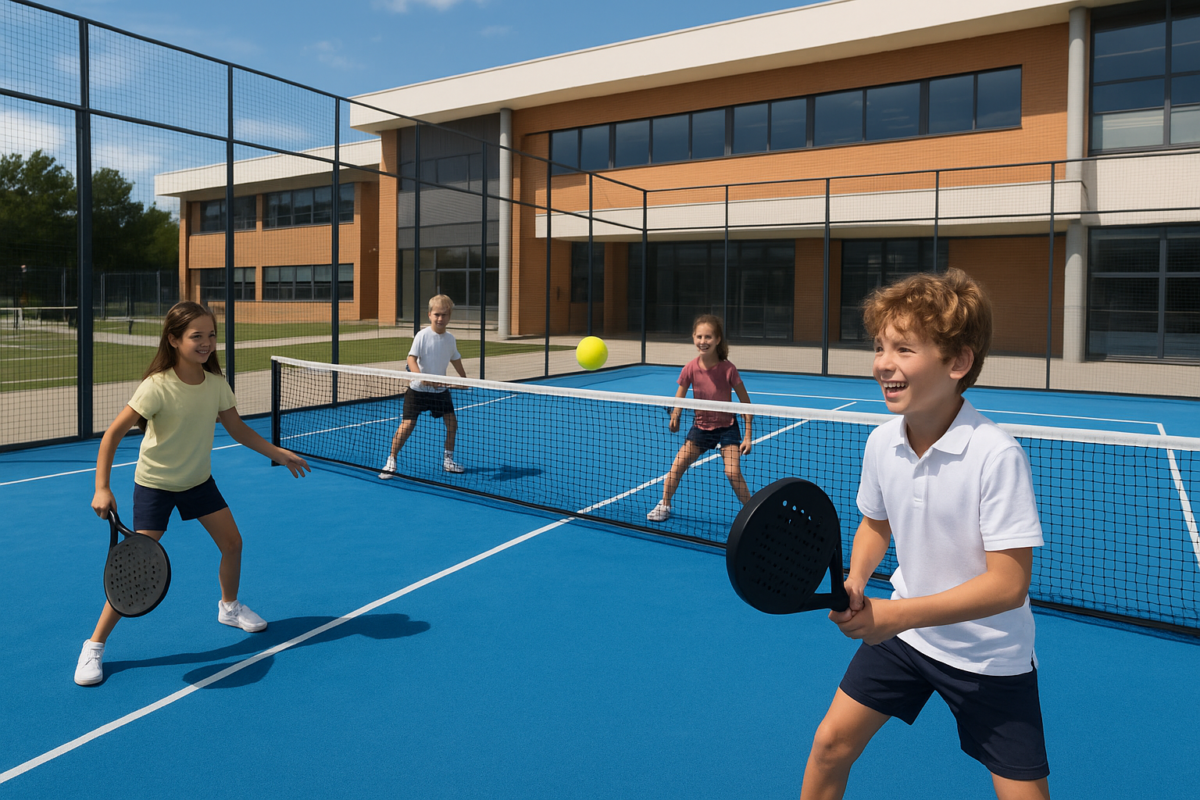
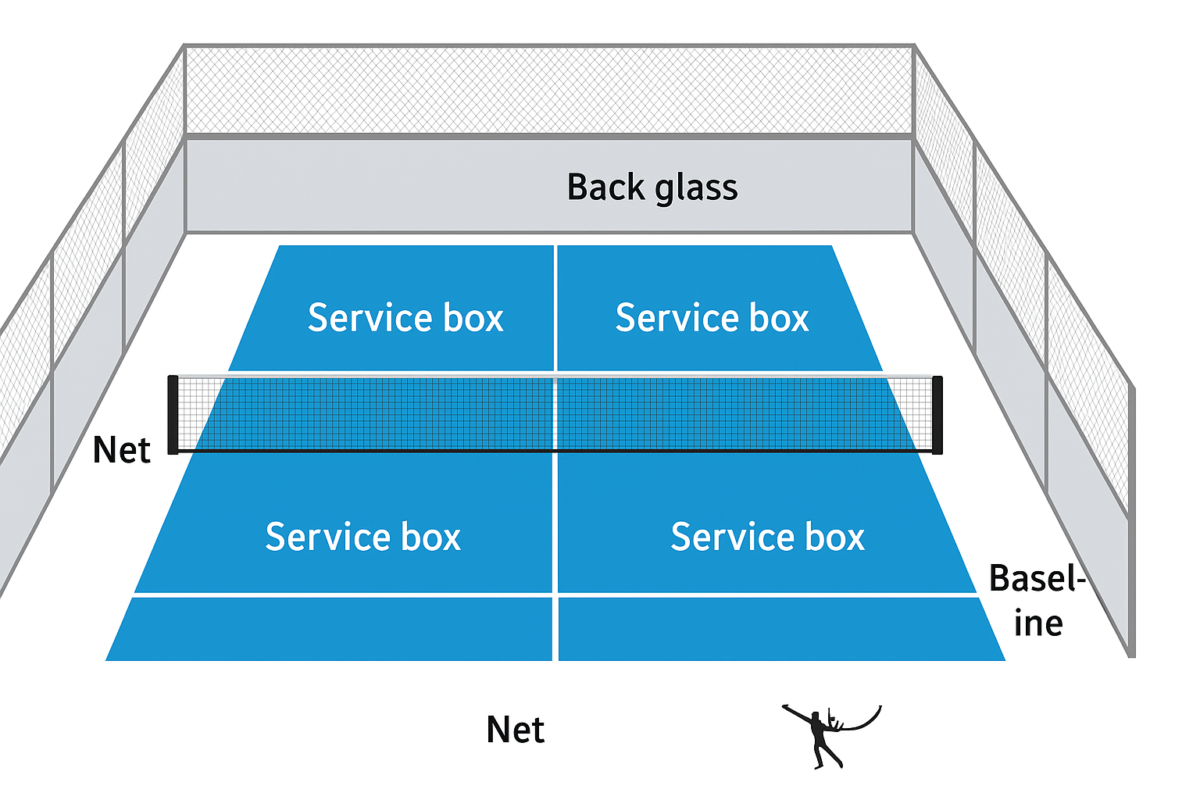
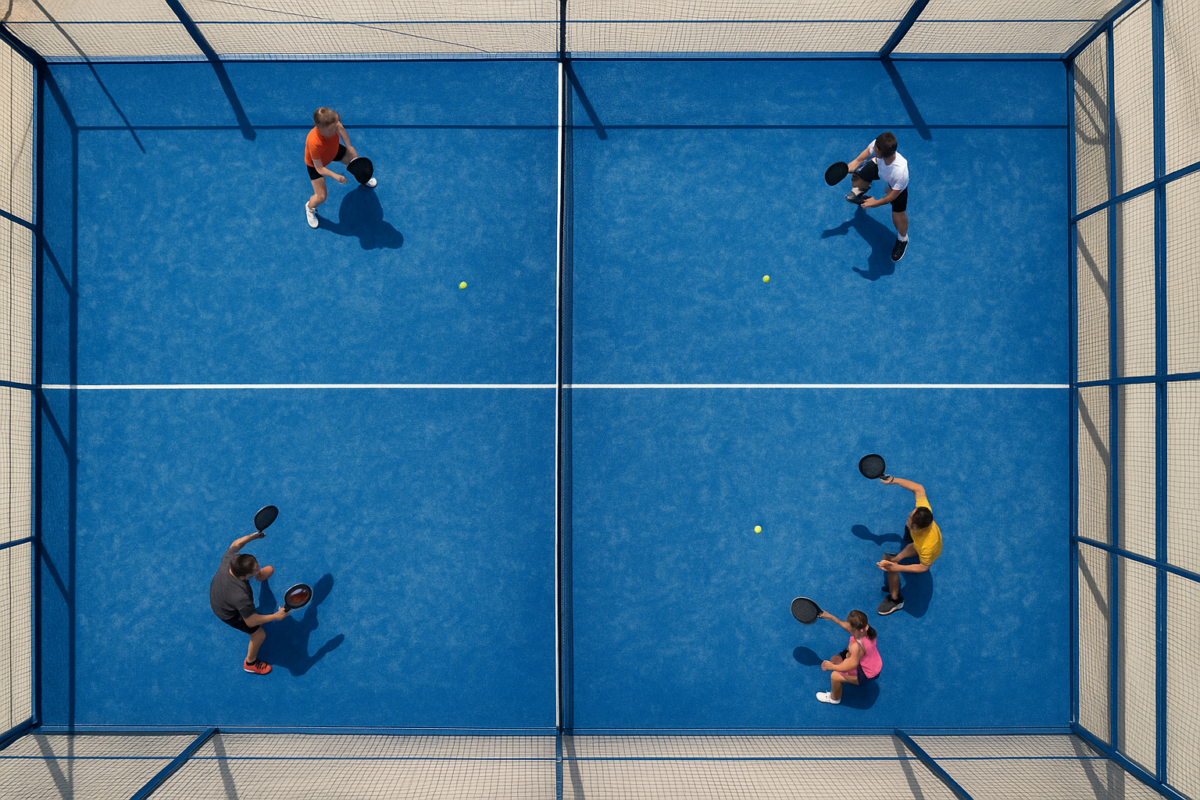
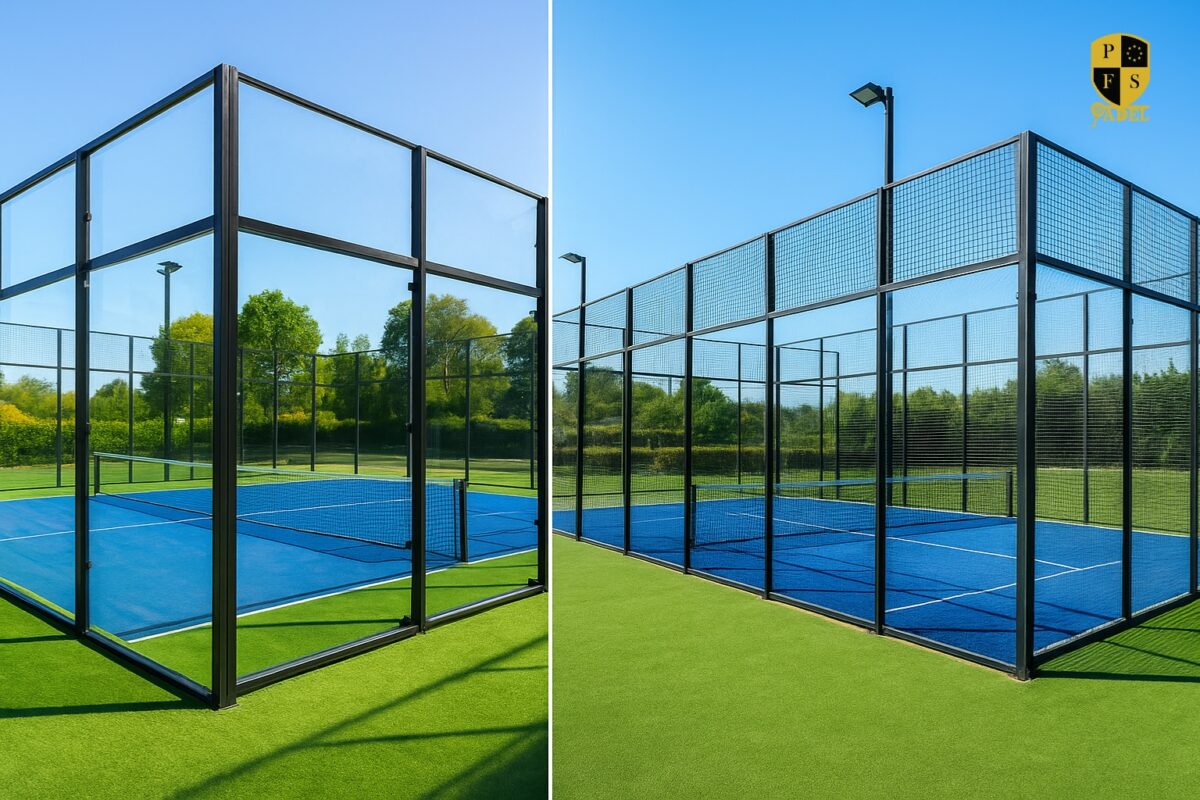
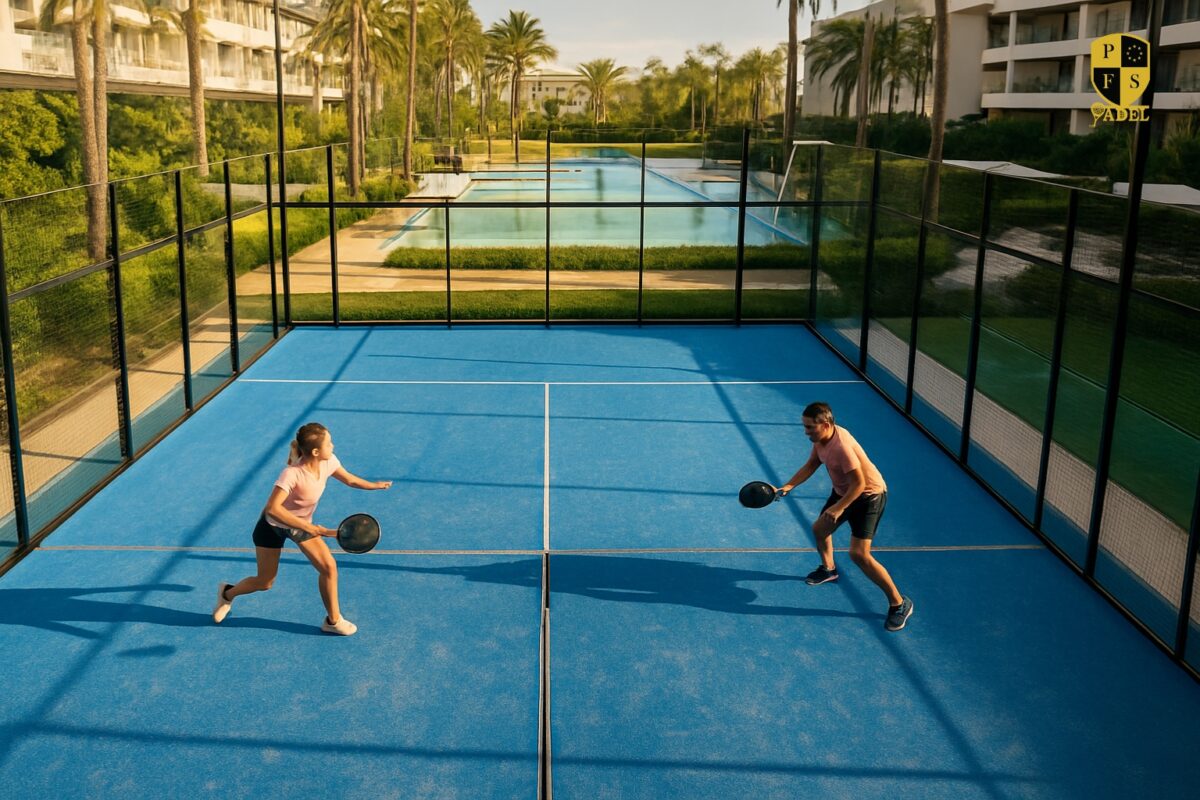
Padel is a blend of tennis and squash, played on a smaller court enclosed with glass walls. Kids find it exciting because the ball stays in play longer, rallies are faster, and teamwork is key.
It’s less about power and more about timing, coordination, and quick reflexes — ideal traits to nurture in growing children.
Why Padel for Kids Is Gaining Popularity
1. Easier to Learn and More Enjoyable
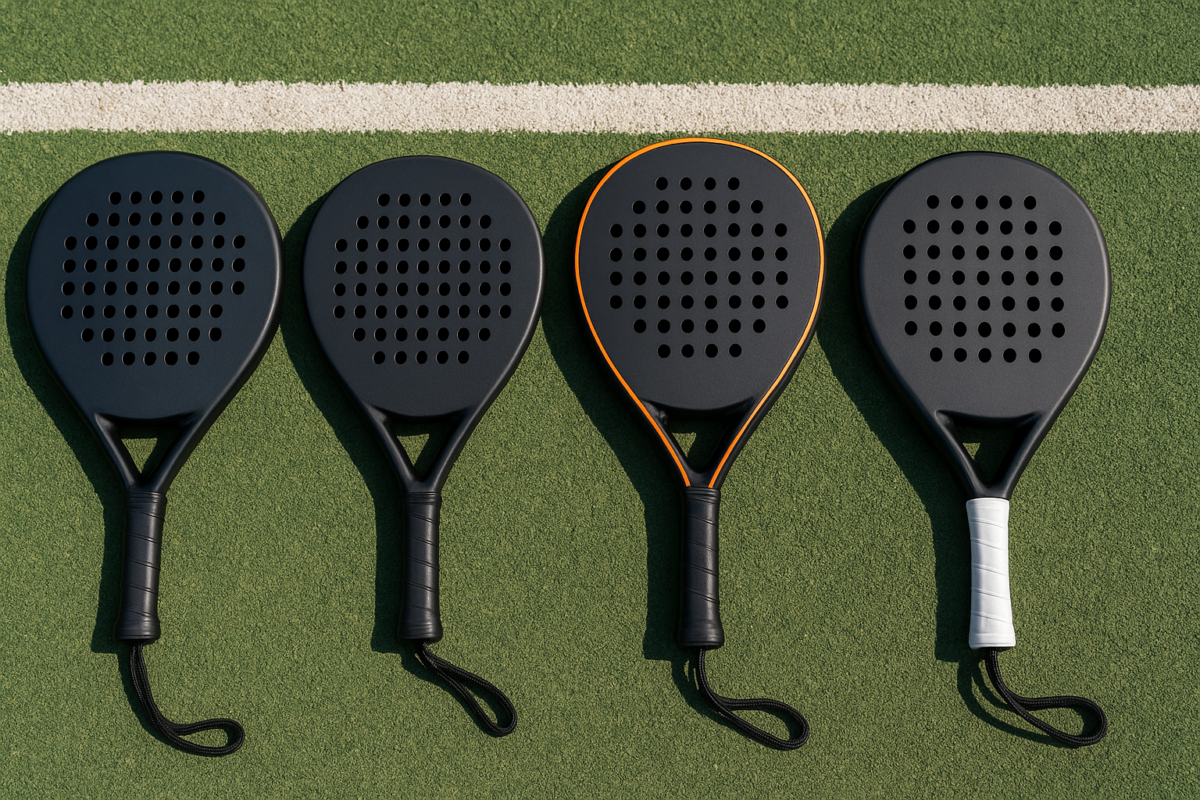
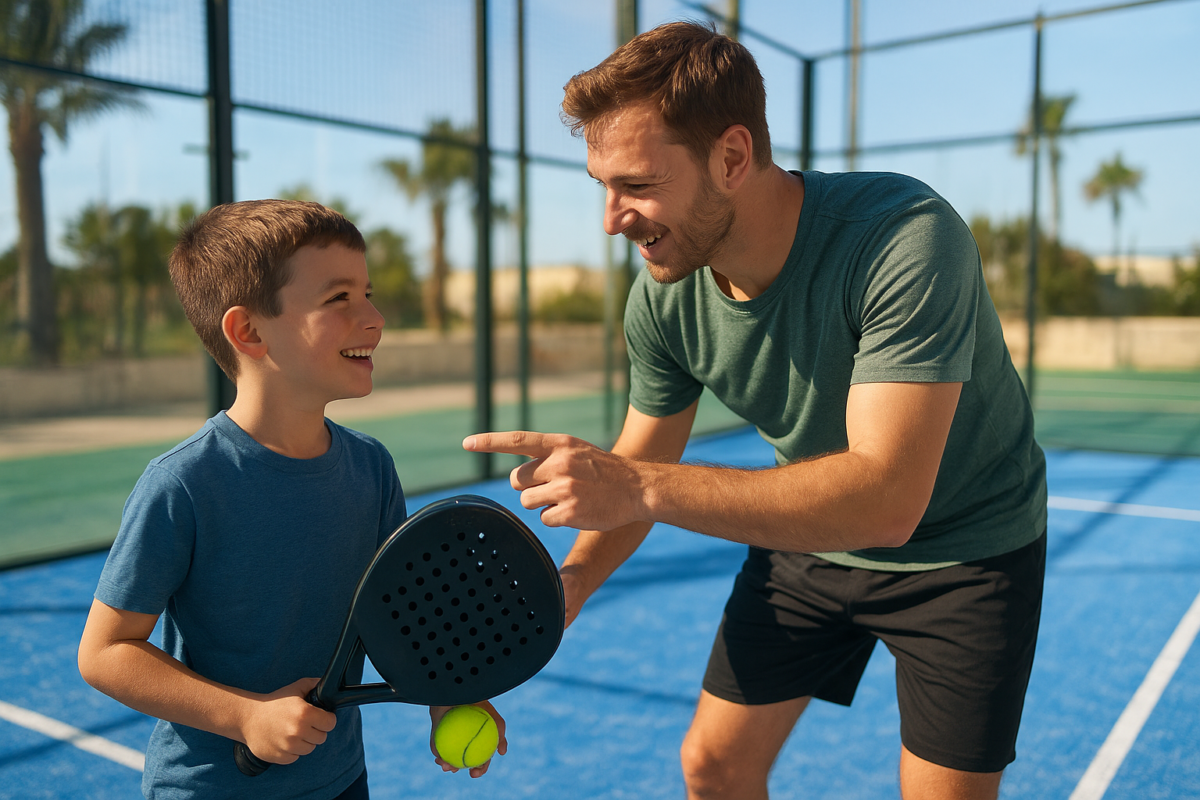
Padel has a shorter learning curve compared to tennis. Children can start playing effectively after just one session. The smaller court and lighter rackets make it easy to control shots and enjoy immediate success.
2. Encourages Teamwork and Communication
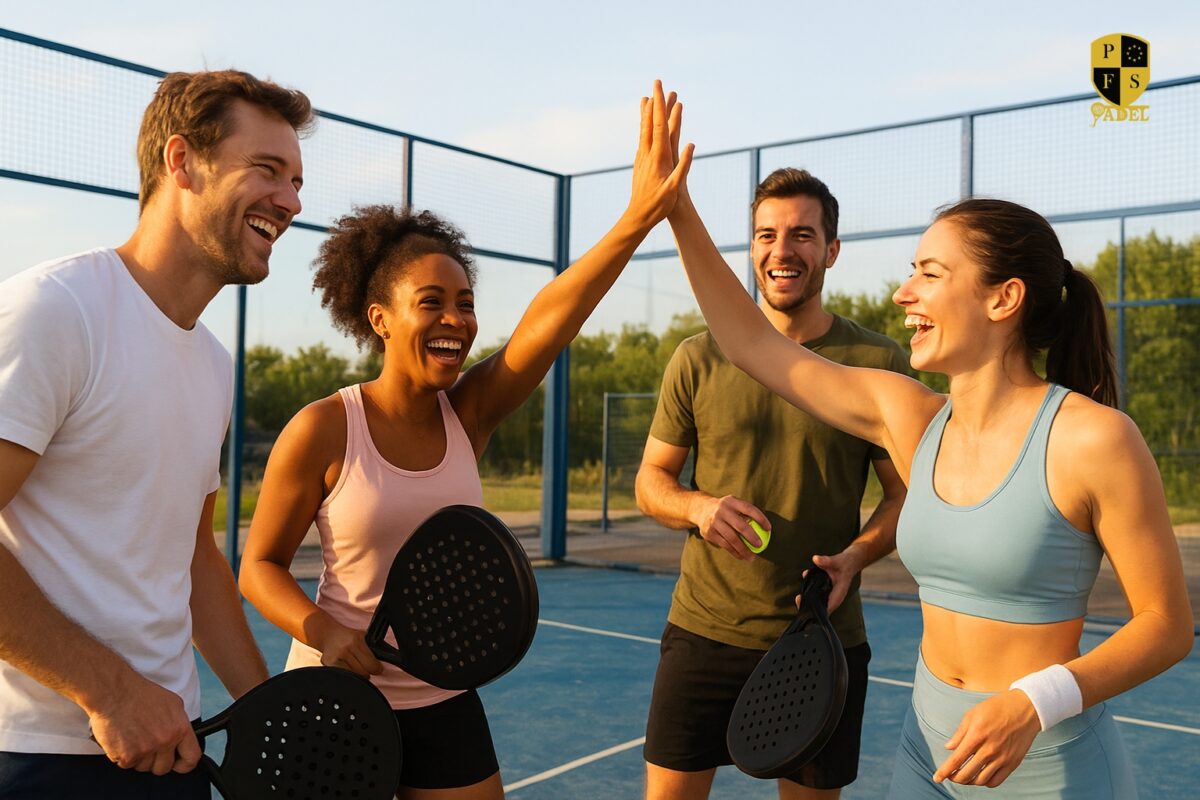
Unlike tennis, padel is mostly played in doubles. Kids learn to cooperate, communicate, and strategize with partners — developing social skills that extend beyond the court.
3. Builds Coordination and Reflexes
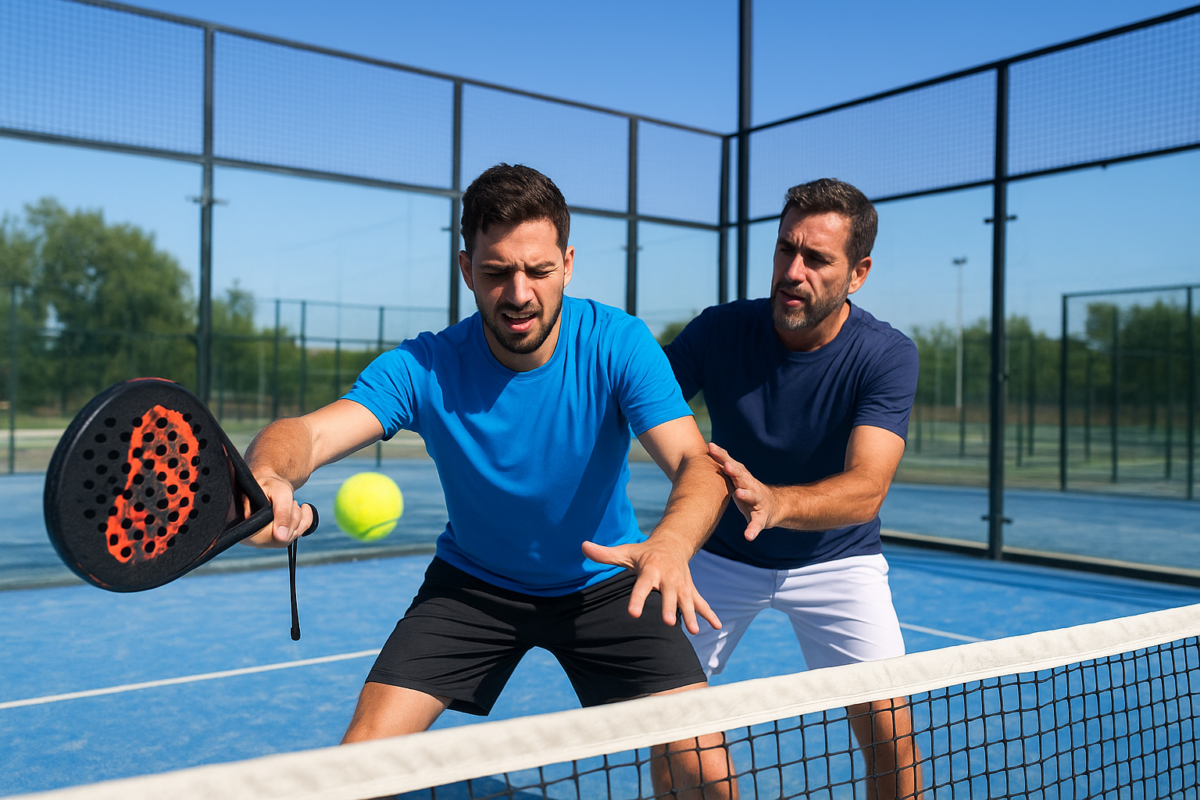
With the ball rebounding off walls, padel improves hand-eye coordination and reflexes. It keeps children alert, agile, and responsive, sharpening their reaction times naturally.
4. Physically Active but Low Impact
Padel courts are smaller, so there’s less running stress on growing joints. This makes padel safer and more sustainable for younger players compared to tennis, where longer rallies demand higher endurance.
5. Inclusive and Confidence-Boosting
Kids of all fitness levels can enjoy padel. The consistent rallies and frequent wins build confidence, motivation, and enthusiasm for staying active — key for long-term participation.
Tennis Still Has Its Strengths
1. Excellent for Building Stamina and Discipline
Tennis matches are longer and more physically demanding. For kids who enjoy endurance-based challenges, it’s a great way to develop stamina and persistence.
2. Individual Performance and Focus
Since tennis is played solo, it pushes kids to rely on themselves. It teaches responsibility and mental focus, which are valuable life lessons.
3. Strong Competitive Path
Tennis has a more structured competitive pathway globally, from junior tournaments to professional circuits. If your child aims for long-term sports specialization, tennis provides a clear route.
Comparing Tennis and Padel for Kids
| Aspect | Padel for Kids | Tennis for Kids |
|---|---|---|
| Learning Curve | Quick and simple | Takes time and coaching |
| Court Size | Smaller, enclosed | Larger, open |
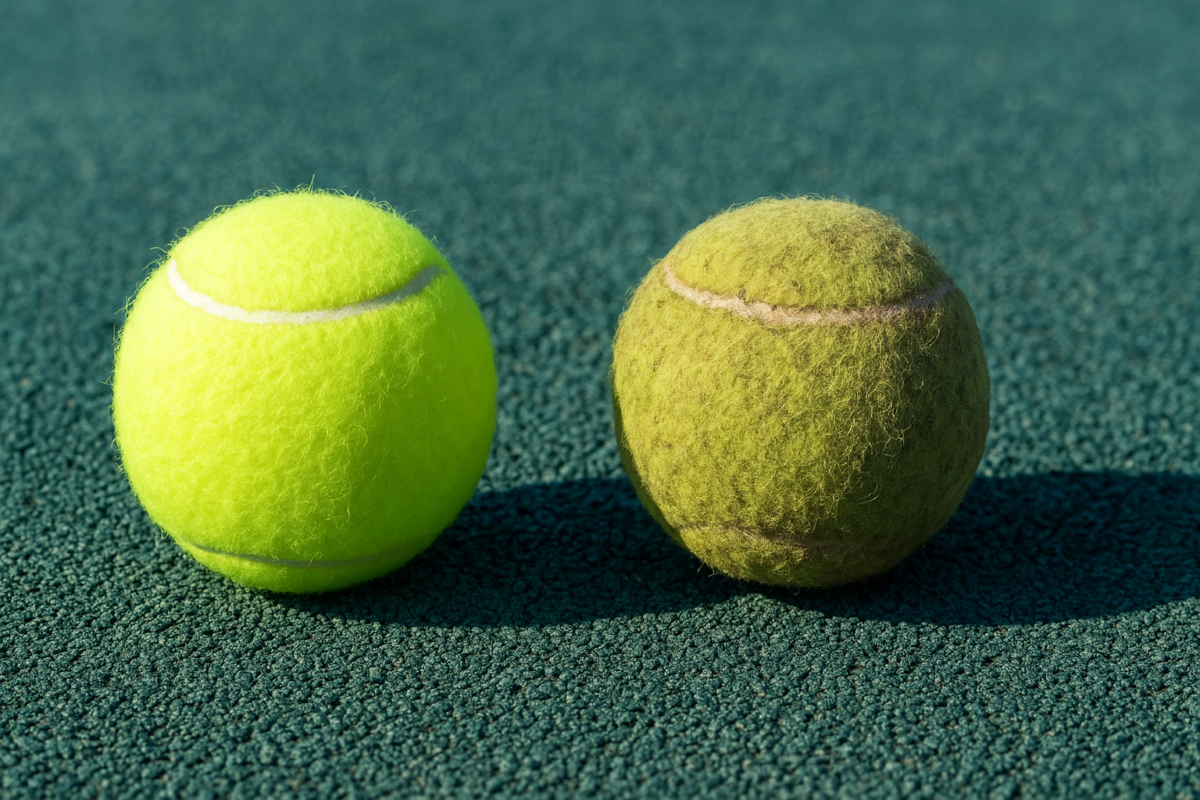
| Equipment | Light racket, low bounce balls | Heavier racket, faster balls |
| Skill Focus | Coordination, teamwork | Technique, endurance |
| Social Engagement | Very high | Moderate |
| Injury Risk | Low | Moderate |
| Fun Factor | Instant enjoyment | Gradual progress |
How PFS Padel Is Leading the Padel Revolution in India
PFS Padel is one of India’s top padel court manufacturers and suppliers, empowering sports facilities, schools, and clubs to embrace this growing global trend.
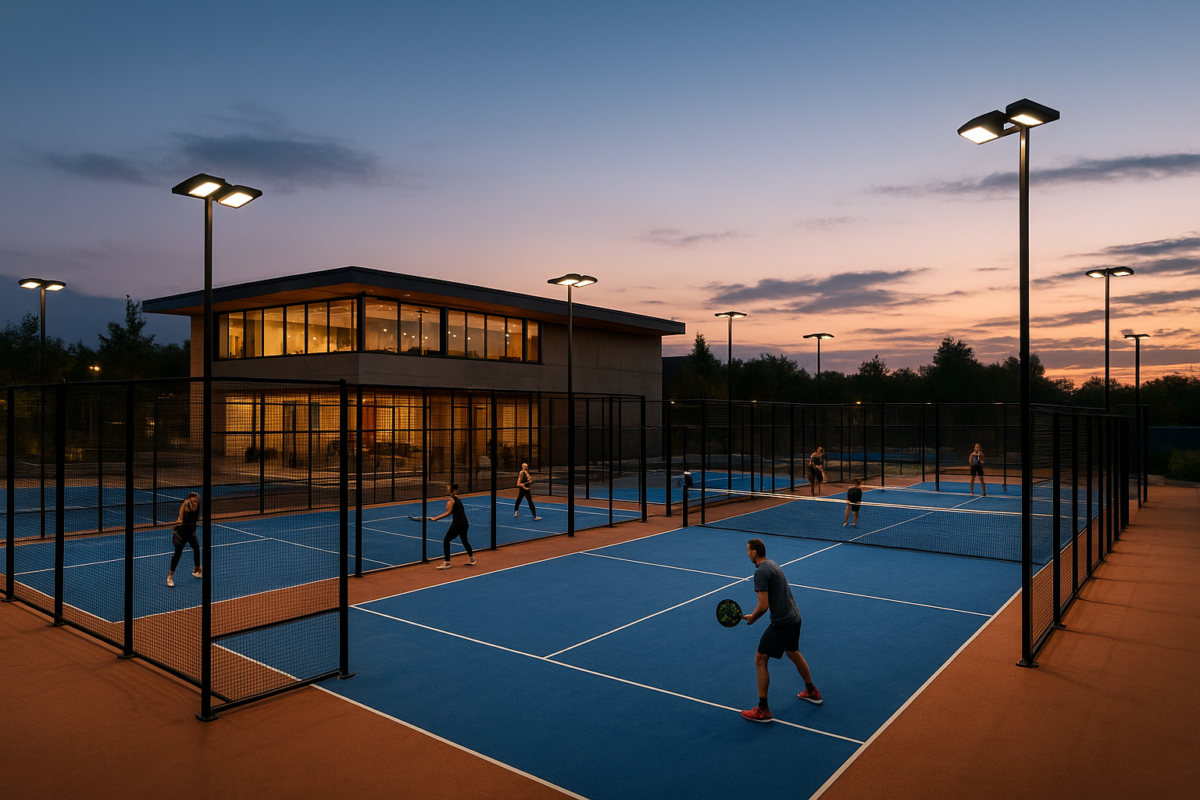
Their premium-quality padel courts are built with durable glass walls, anti-slip turf, and weather-resistant materials — designed for long-term use. PFS Padel ensures every court meets international standards, providing kids and players of all ages the best possible playing environment.
Whether you’re a school looking to introduce a new sport or a community aiming to attract young families, partnering with PFS Padel (padel.pfs.sport) ensures unmatched quality and innovation.
Why Parents Are Choosing Padel for Their Kids
A Balance of Fun and Fitness
Padel offers a perfect mix of learning and leisure. Kids stay active without pressure while improving balance, coordination, and focus.
Social Growth Through Sport
Because it’s played in pairs, padel helps kids make friends, communicate better, and understand teamwork early in life.
Easy to Integrate into School Programs
Schools across Europe and the Middle East are already adding padel to their sports curriculum. In India, PFS Padel makes this integration seamless through modular, customizable courts suited for any facility.
The Future of Padel for Kids in India
Padel is expanding rapidly in India. With increasing awareness and infrastructure support, the next generation of athletes will grow up playing both tennis and padel — combining the best of both worlds.
As Indian families seek modern, engaging sports, padel stands out as an inclusive, family-friendly game that appeals to kids, teens, and adults alike.
With companies like PFS Padel driving world-class court installations, India is poised to become a key hub for padel growth in Asia.
Conclusion
Both tennis and padel are excellent for children — but padel’s inclusivity, teamwork, and quick learning curve make it especially attractive for today’s generation.
It’s fun, safe, and mentally stimulating — everything you’d want for your child’s early athletic development.
To bring the padel experience to your school, sports academy, or club, visit PFS Padel (padel.pfs.sport) — India’s trusted name in premium padel court manufacturing and supply.