Padel vs Tennis vs Squash: Key Differences Explained


When it comes to racket sports, three names often dominate the conversation—padel, tennis, and squash. Each has its charm, challenges, and community of passionate players. However, the rise of padel has transformed how we view racket sports altogether.
In this guide, we’ll explore the key differences between padel, tennis, and squash—from rules and court design to gameplay and accessibility. Whether you’re a seasoned athlete or a curious beginner, this comparison will help you decide which sport suits you best.
Introduction:
Most of us love the thrill of racket sports—the energy, strategy, and satisfaction of every perfect shot.
But have you ever wondered what makes padel, tennis, and squash so different—and why padel is taking the world by storm?
In this blog, we’ll break down their differences in terms of court size, equipment, gameplay, scoring, and popularity, while also revealing why PFS Padel is revolutionizing the modern padel experience.
Understanding the Basics
What Is Padel?
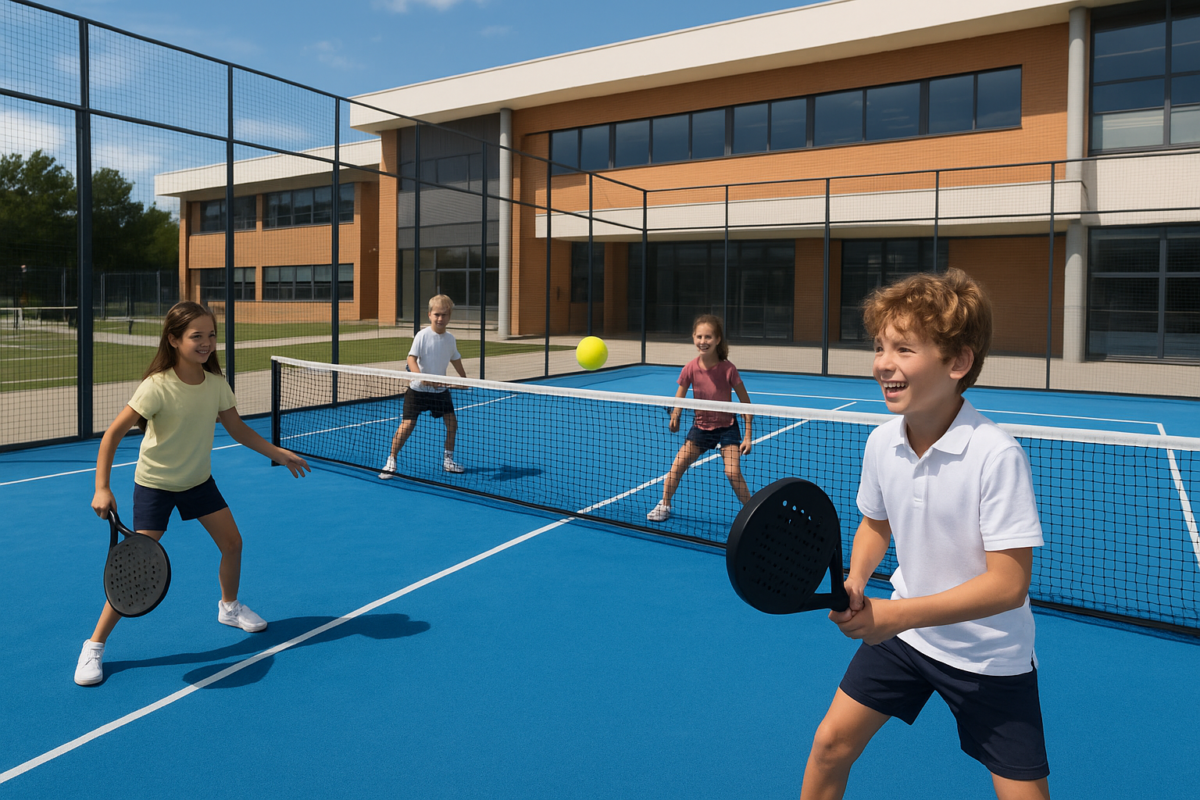
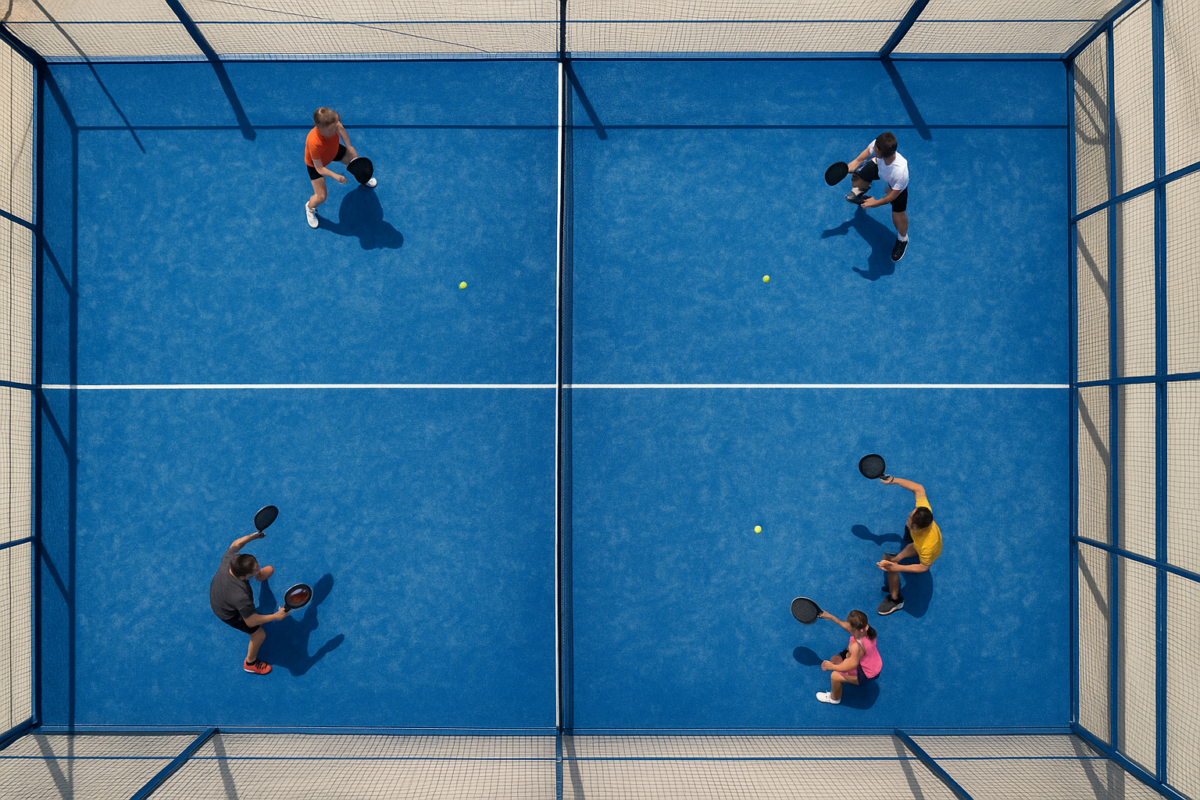
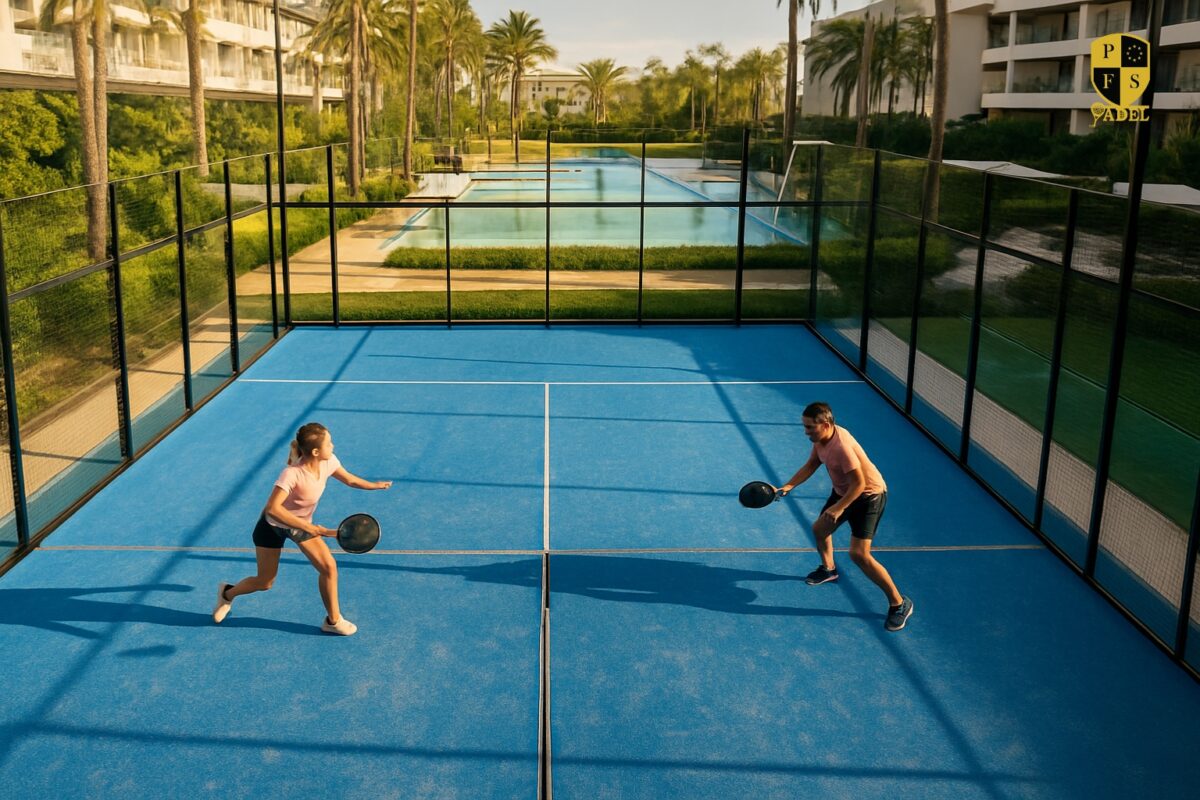
Padel is a fast-growing racket sport that blends the best of tennis and squash. Played in doubles on an enclosed court roughly one-third the size of a tennis court, padel offers an exciting mix of power, strategy, and teamwork.
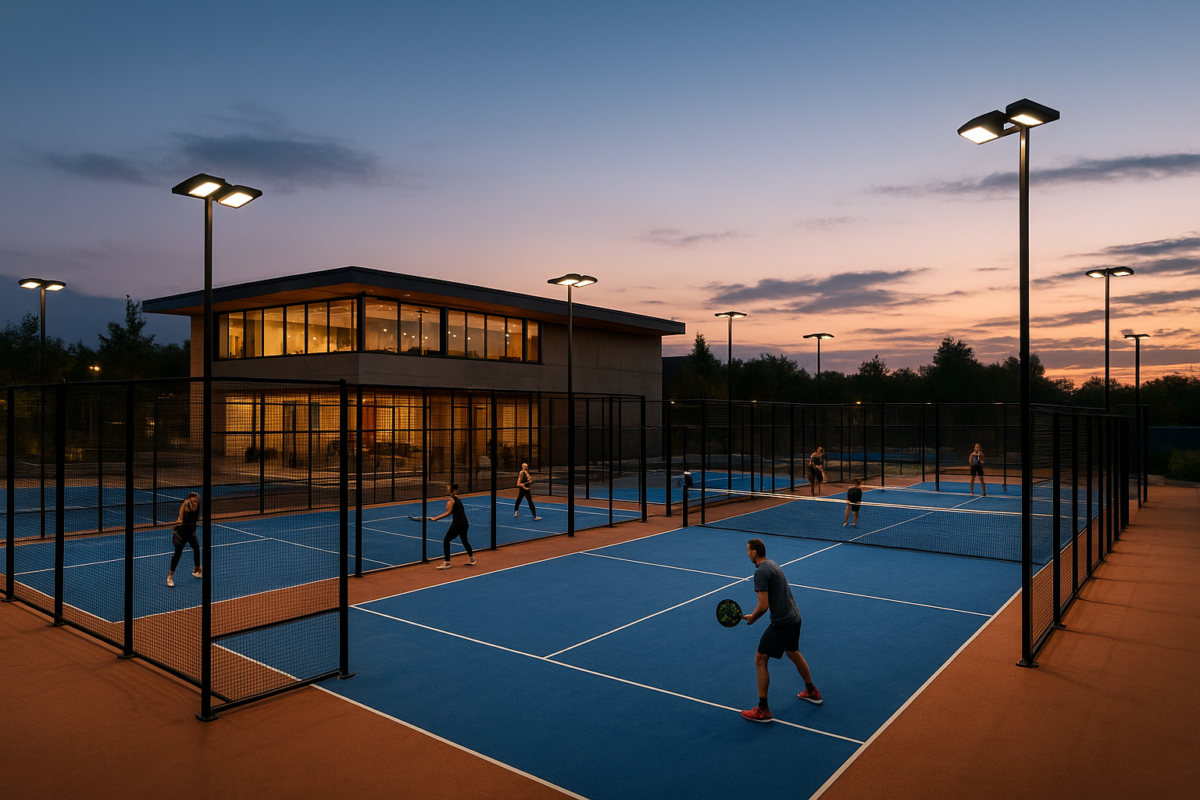
At PFS Padel, you’ll find expertly designed courts that enhance playability, visibility, and comfort—ensuring a top-tier experience for players of all skill levels.
What Is Tennis?
Tennis is a classic one-on-one or doubles sport played on a large, open court with rackets and a felt ball. The game relies heavily on physical strength, precision, and endurance. It’s played globally in both recreational and professional circuits and has a long-established tradition.
What Is Squash?
Squash is played indoors on a four-walled court where players hit a small rubber ball against the front wall. It’s known for its intensity, speed, and close-range reactions. Unlike padel or tennis, squash is more confined and relies on quick reflexes and agile movement.
Key Differences Between Padel, Tennis, and Squash
Court Design and Dimensions
| Feature | Padel | Tennis | Squash |
|---|---|---|---|
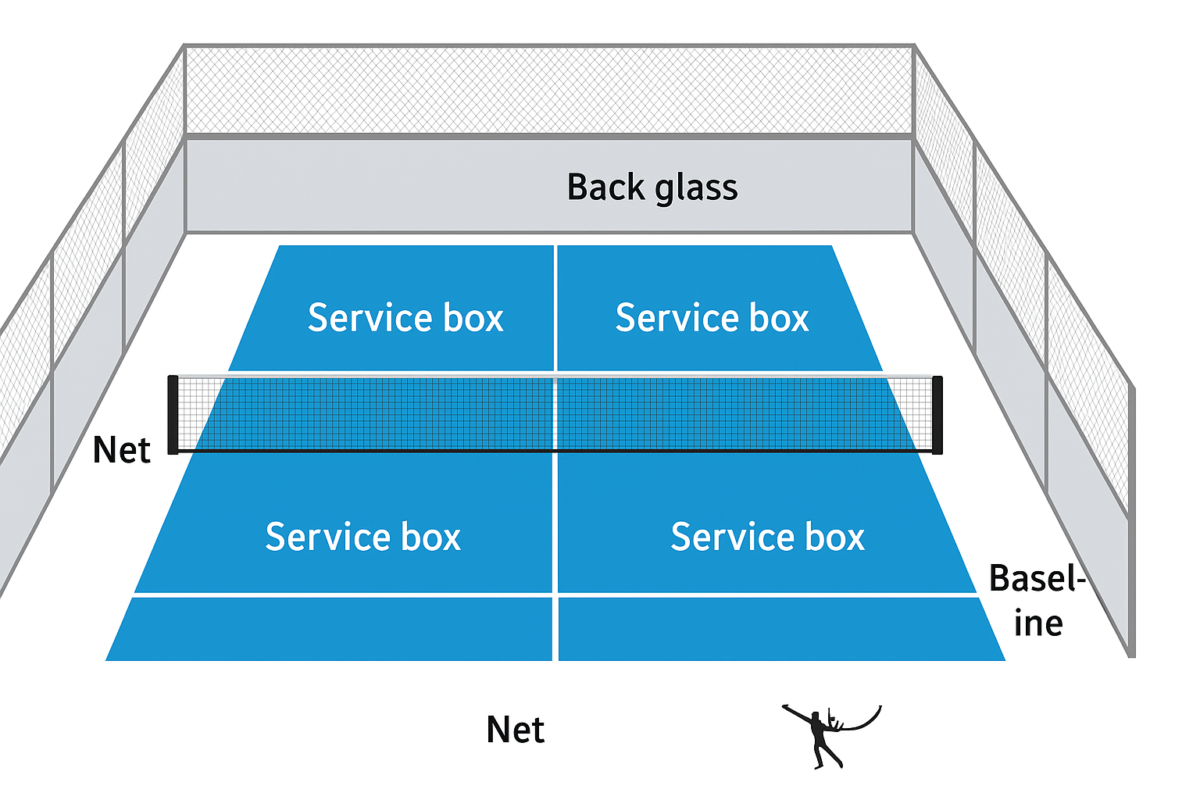
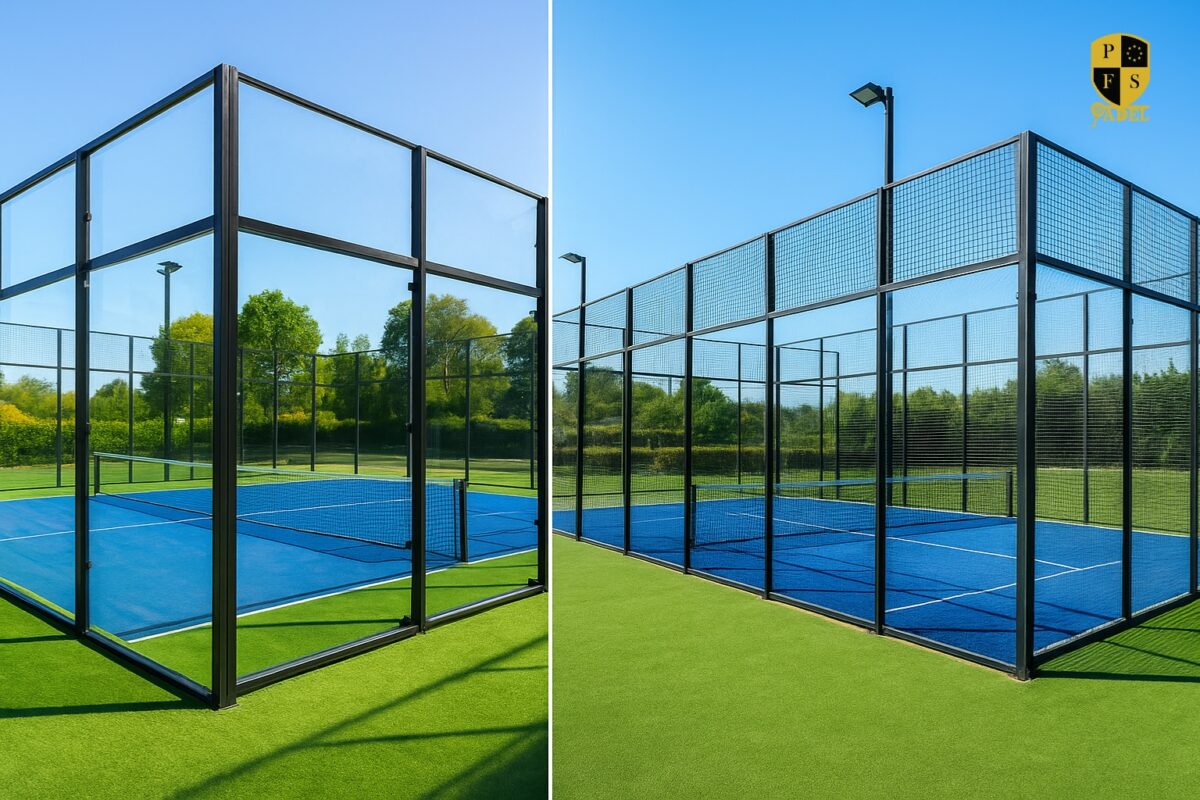
| Court Type | Enclosed with glass & mesh walls | Open outdoor or indoor | Fully enclosed room |
| Size | 20m x 10m | 23.77m x 8.23m (singles) | 9.75m x 6.4m |
| Surface | Artificial turf | Grass, clay, or hard | Wooden or synthetic |
| Walls in Play | Yes | No | Yes |
Padel combines the openness of tennis with the wall play of squash, creating a perfect balance of freedom and tactical rebound shots. At PFS Padel, each court is engineered for optimal bounce, safety, and lighting.
Equipment Used
| Feature | Padel | Tennis | Squash |
|---|---|---|---|
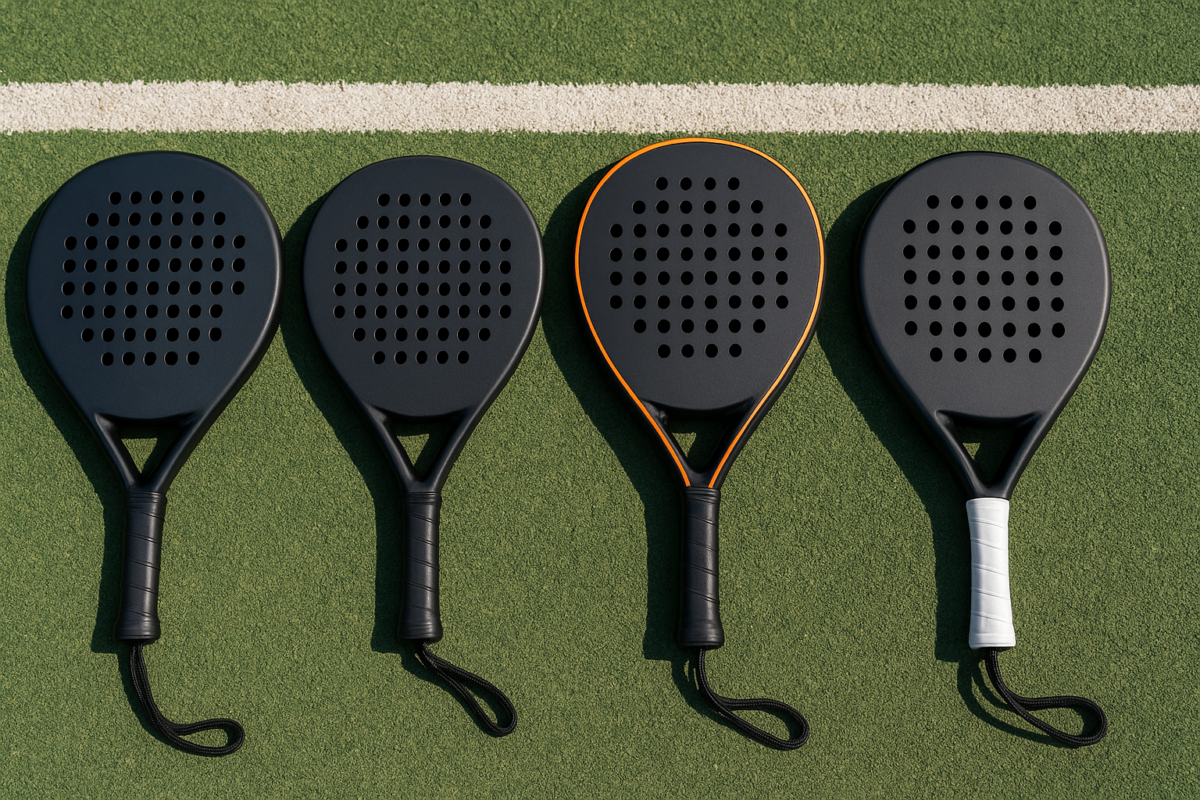
| Racket | Solid, perforated racket (no strings) | Strung racket | Smaller, strung racket |
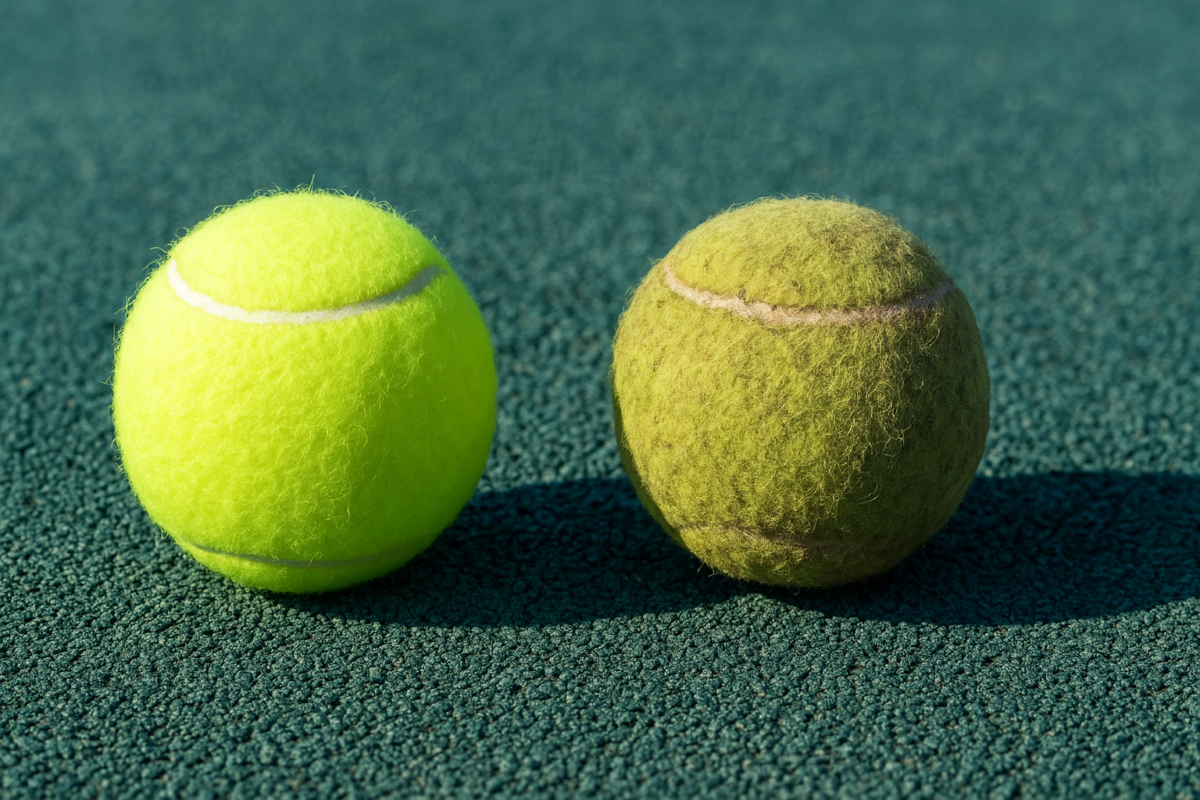
| Ball | Slightly depressurized | Pressurized | Small rubber ball |
| Play Style | Controlled power and strategy | Long-range power shots | Fast, short rallies |
Padel rackets emphasize control and precision, making it beginner-friendly while still challenging for advanced players.
Rules and Scoring System
All three sports use similar scoring (15-30-40-game), but their gameplay differs drastically.
-
Padel: Played in doubles, with underhand serves and walls allowed in play after the bounce.
-
Tennis: Played in singles or doubles; serves are overhand, and the ball must stay within lines.
-
Squash: Continuous play off walls; points scored on every rally.
The use of walls in padel adds a dynamic twist, rewarding smart tactics over brute force.
Gameplay Intensity and Skill Level
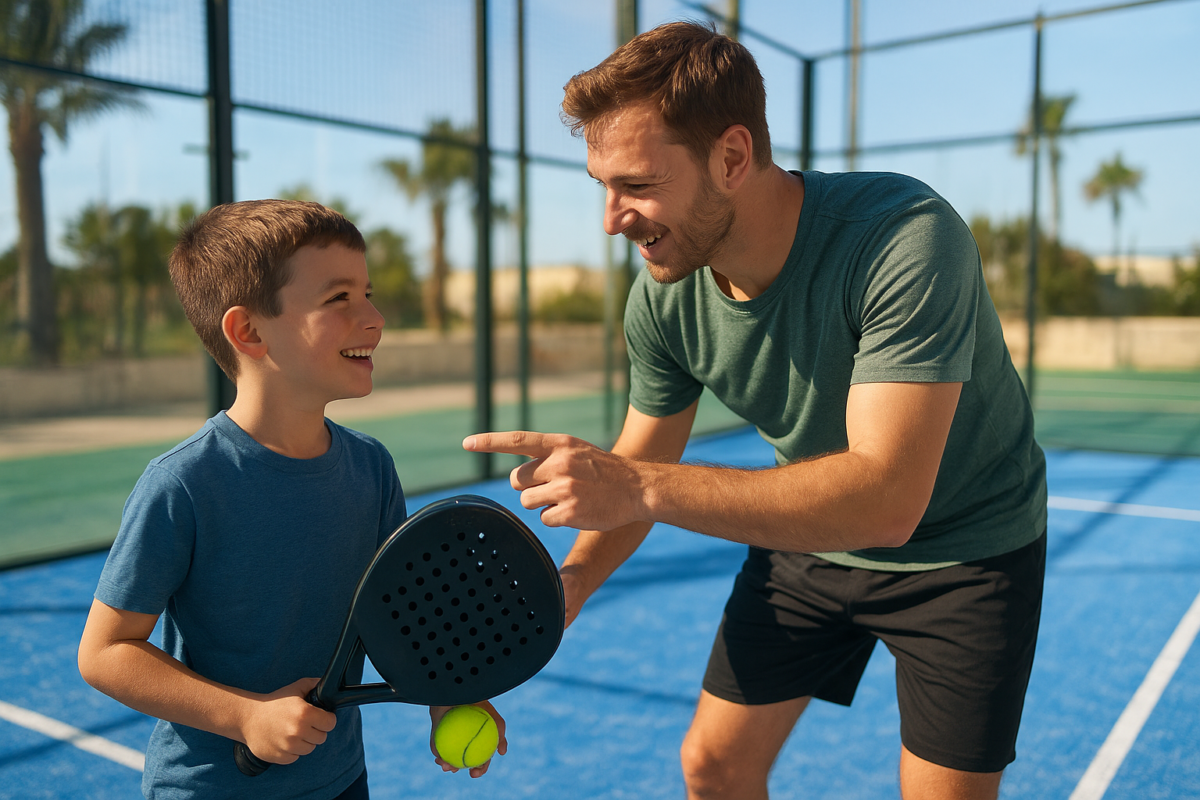
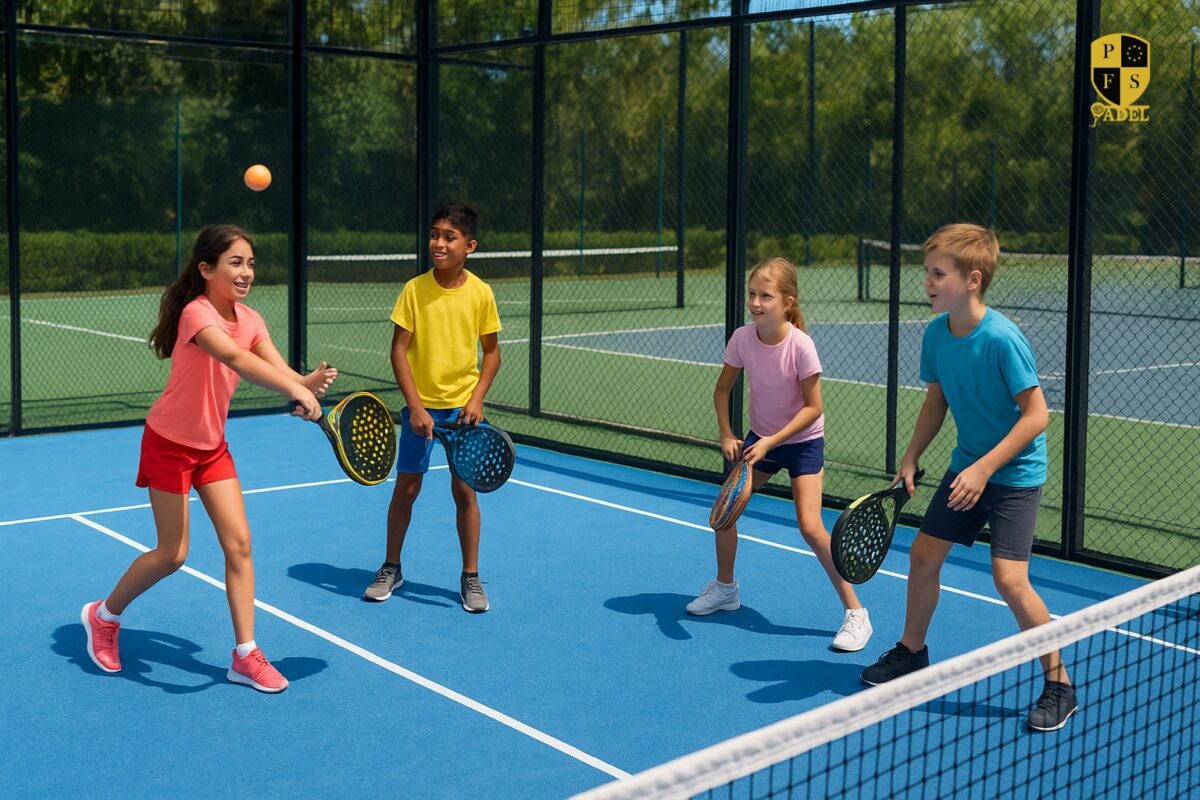
Padel is designed for inclusivity. Players of all ages and fitness levels can enjoy it. The game focuses on teamwork, positioning, and smart shot selection rather than sheer power.
In contrast, tennis demands high stamina and strength, while squash pushes agility and reflexes to the limit. That’s why many players see padel as a fun yet competitive middle ground.
Why Padel Is Outpacing Tennis and Squash Globally
Social and Community Appeal
Padel’s doubles-only format makes it inherently social. Unlike tennis or squash, you always have a partner—and this shared experience builds lasting friendships. Clubs like PFS Padel are becoming community hubs for players of all backgrounds.
Lower Physical Strain
While tennis and squash can be demanding on the joints, padel offers a lower-impact workout that still burns calories and improves coordination. This makes it ideal for families, older adults, and new players seeking fitness without overexertion.
Accessibility and Learning Curve
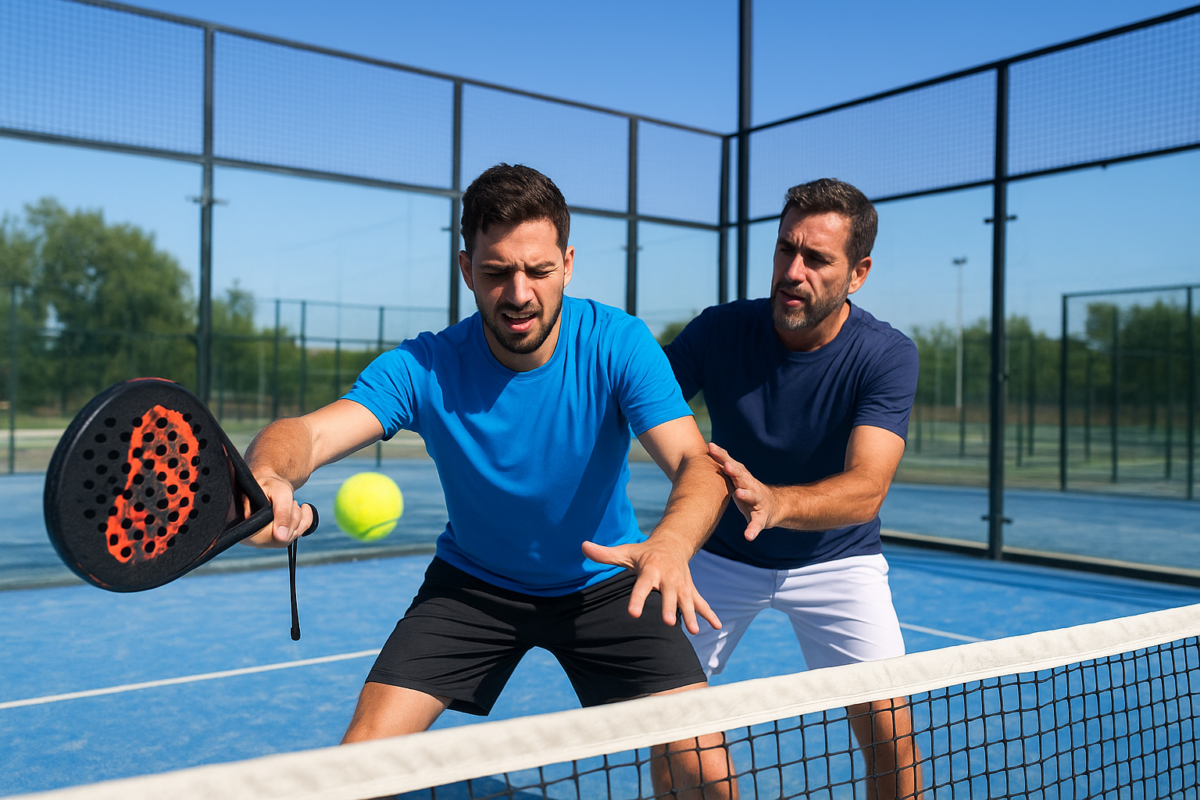
Padel’s simplified rules and forgiving court size make it easy to pick up quickly. Within a few sessions, even beginners can rally and enjoy matches—unlike tennis or squash, which require more technical skill and practice to master.
Explosive Growth Around the World
The sport’s popularity has skyrocketed in Spain, Italy, the UK, and India—with thousands of new courts being installed annually. According to recent reports, padel is now the fastest-growing sport globally, surpassing tennis in some regions.
Leading this revolution is PFS Padel, providing state-of-the-art court construction, lighting systems, and accessories to fuel the sport’s expansion.
Benefits of Playing Padel
Physical Fitness
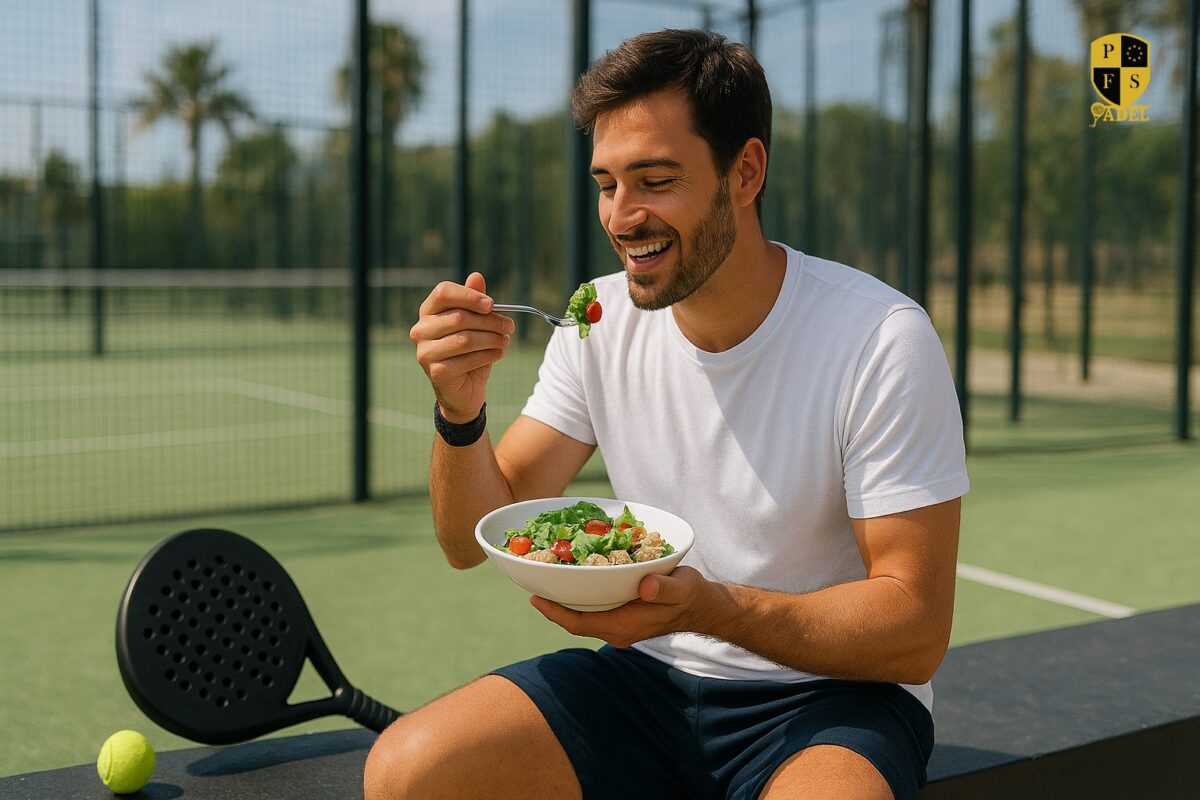
Padel enhances cardiovascular endurance, coordination, and muscle tone. The game’s short rallies and quick footwork deliver an excellent full-body workout.
Mental Well-being
Padel encourages focus, teamwork, and stress relief. The social aspect also improves mental health and emotional balance.
Skill Versatility
Since padel borrows techniques from both tennis and squash, players quickly develop well-rounded racket skills that translate to other sports.
Why Choose PFS Padel?
At PFS Padel, the goal is to build world-class padel infrastructure that inspires communities to play, grow, and connect. Their premium court designs prioritize:
-
Durability and weather resistance
-
High visibility lighting for all conditions
-
Optimized turf and wall performance
-
Custom branding and installation options
Whether you’re building a club, resort, or sports academy, PFS Padel offers tailored solutions to meet every need.
Conclusion
Padel vs Tennis vs Squash—each has its strengths. But when it comes to accessibility, excitement, and global appeal, padel takes the lead. Its mix of strategy, teamwork, and fun makes it the ideal sport for today’s active generation.
Discover why more players and facilities are choosing PFS Padel—and join the movement redefining racket sports worldwide.
Visit padel.pfs.sport to explore high-quality courts, equipment, and padel solutions today.