
How Often Should You Replace Padel Balls?

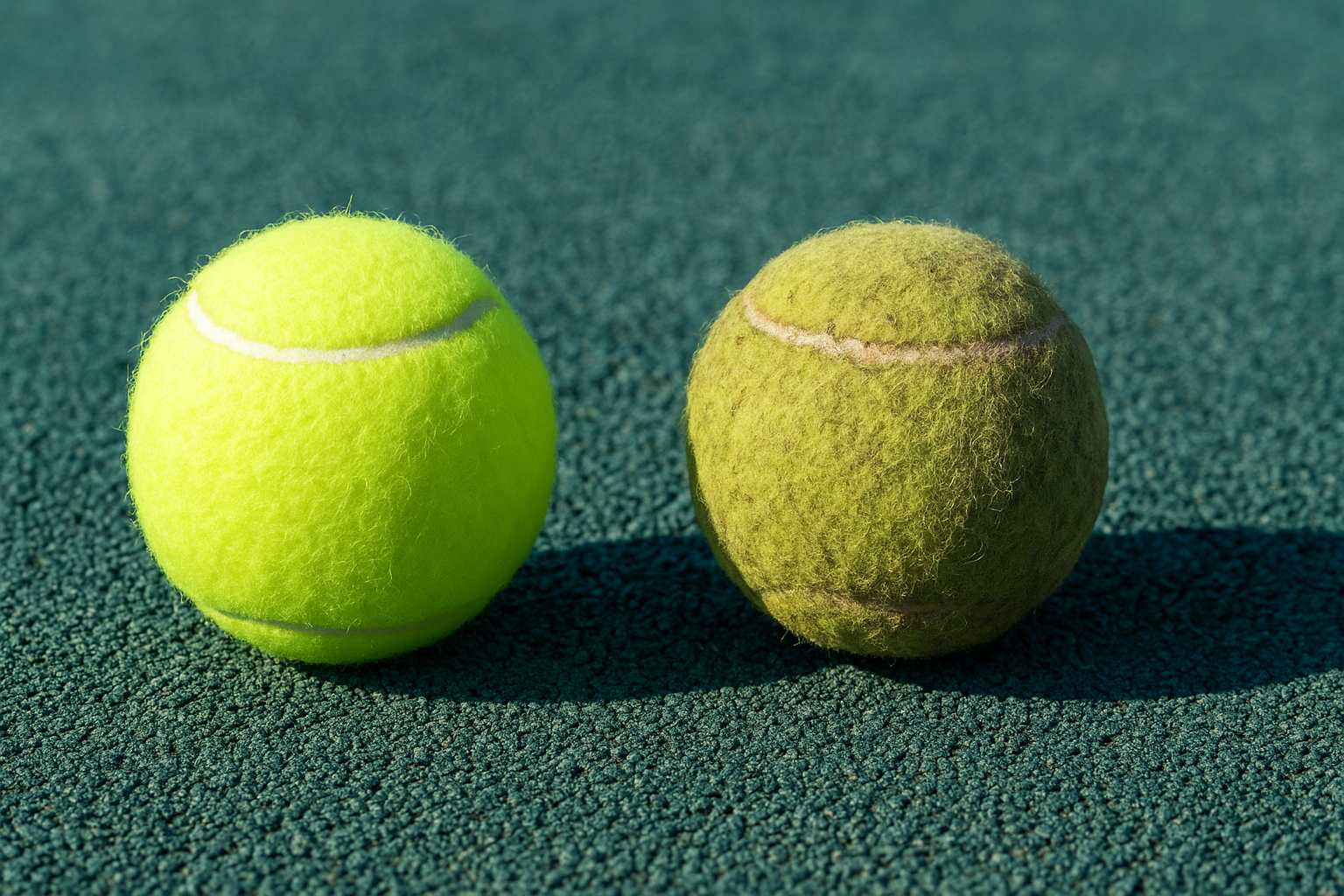
If you’ve played padel for a while, you already know how much the quality of padel balls affects speed, bounce, and match rhythm. Many players struggle to understand how frequently they should replace them.
This guide from PFS Padel explains exactly how often you should replace padel balls, why it matters, and how the right ball choice improves your performance.
You’ll learn the signs of worn-out balls, replacement timelines for training and matches, and expert recommendations backed by PFS Padel’s industry experience.
How Long Do Padel Balls Really Last?
Padel balls don’t last as long as most players expect. Their lifespan depends on usage, court conditions, temperature, and playing style. While some balls survive several sessions, others lose pressure quickly. To maintain consistent bounce, players must evaluate the condition of padel balls before every match.
Why Padel Balls Lose Performance Over Time
Padel balls are pressurized. Over time, the internal pressure drops, causing slower play. Even premium balls degrade from repeated shots. Dust, moisture, and high temperatures further reduce their lifespan. Because padel demands quick rallies, optimal ball pressure is essential for maintaining pace and accuracy.
How Often Should You Replace Padel Balls?
Most players should replace padel balls after every 1–3 matches.
Here’s the breakdown:
-
Professional Matches: Replace every set.
-
Club Tournaments: Replace every match.
-
Intermediate Training: Replace every 2–3 sessions.
-
Beginners or Light Play: Replace every 3–5 sessions.
While this timing works for most players, observing the ball’s condition remains essential.
Signs You Need to Replace Your Padel Balls
1. Reduced Bounce
If the ball doesn’t bounce as high or as fast, it’s time for a replacement. Low bounce slows down rallies and disrupts timing.
2. Loss of Pressure
Padel balls soften quickly. Squeezing the ball gently will reveal whether it has lost internal pressure.
3. Visible Wear and Fuzz Loss
When the felt becomes smooth, worn out, or patchy, friction decreases. This directly affects spin and control.
4. Slower Gameplay
If rallies suddenly feel slower despite playing normally, the ball is likely the issue.
5. Irregular Trajectory
A worn-out ball might wobble mid-air or react unpredictably off the walls.
How Temperature Affects Padel Ball Lifespan
Hot Weather
High temperatures increase pressure, expanding the ball slightly and reducing durability.
Cold Weather
Cold air compresses the ball, making it lose bounce faster. You may need to replace balls more frequently in winter.
Humidity and Dust
Outdoor courts expose balls to dust and moisture, which affect their grip and bounce.
Match Play vs Training: What’s the Difference?
For Matches
Players need fresh and consistent bounce. Using new balls improves accuracy and fairness. At competitive levels, organizers replace balls frequently to maintain pace.
For Training
Training doesn’t always need new balls. Slightly worn balls work well for drills focusing on control, defense, and endurance. However, players should still rotate in fresh balls regularly to simulate real match conditions.
How to Make Your Padel Balls Last Longer
Store Them Properly
Keep padel balls in a cool, dry place to slow pressure loss.
Use a Pressurizer Case
Pressurizer containers extend ball life by maintaining internal pressure.
Rotate Balls During Play
Switching between two sets reduces continuous pressure impact.
Avoid Dusty Courts
Dusty surfaces wear balls faster. If possible, clean the court or your balls when needed.
Why Using Fresh Padel Balls Matters
Fresh padel balls improve:
-
Speed and Pace
-
Spin and Control
-
Shot Accuracy
-
Wall Rebounds
-
Match Rhythm
For players wanting consistent performance, replacing balls at the right time becomes essential.
How PFS Padel Helps You Choose the Best Padel Balls
PFS Padel offers high-quality padel products designed to enhance your game. Whether you’re a beginner or a competitive player, PFS Padel helps you select durable and high-performance padel balls that match your playing style. With our expert guidance, players enjoy faster rallies, better control, and improved confidence on the court.
Recommended Replacement Timelines
| Player Type | Replacement Frequency |
|---|---|
| Professionals | Every set |
| Tournament Players | Every match |
| Intermediate Players | Every 2–3 sessions |
| Beginners | Every 3–5 sessions |
| Cold Weather Players | More frequent |
| Hot Weather Players | Slightly less frequent |
FAQs About Replacing Padel Balls
Do new padel balls improve performance?
Yes. They ensure a faster pace, more control, and consistent wall rebounds.
Can you reuse old balls for practice?
Absolutely. They work well for drills, warm-ups, and defensive training.
Do Padel balls vary by brand?
Yes. Different brands offer varying pressure, durability, and felt quality. Choose based on your playing preference.
Do PFS Padel recommend specific balls?
Yes. PFS Padel recommends premium, long-lasting padel balls suitable for both training and match play.
Conclusion
Replacing padel balls at the right time ensures faster play, better control, and more accurate shots. Most players benefit from replacing balls every one to three matches, depending on usage and conditions. Fresh padel balls also enhance consistency and improve your overall playing experience. With expert guidance and premium equipment from PFS Padel, maintaining top performance becomes effortless. Whether you’re playing casually or competitively, using the right balls makes a measurable difference in your game. Upgrade your padel experience with the best products from PFS Padel today.
Upgrade your performance with premium padel balls and gear from PFS Padel — visit 👉 https://padel.pfs.sport